Until October of 2024, I knew very little of life in Gaza. I understood, in a vague and detached way, that there was a war, and that atrocities and war crimes were being committed upon the citizens of Gaza daily. But it all felt distant—another tragedy among many in the scrolling landscape of global suffering.
I also understood how contentious the topic of “Palestine and Israel” had become. Bringing it up in conversation was certain to invoke conflict, defensiveness, or silence. So, like many, I kept my head down. Occasionally I would like or comment on an Instagram post showing disturbing images—amputee children, grieving mothers, shattered buildings. They entered my awareness, but they were still images. Horrible images, yes, but without personal connection, they remained a tragic mirage. A ghost world I could look at but not feel.
What we often fail to understand is this:
without personal connection, compassion rarely takes root.
We are wired for relationship. Connection creates empathy. Without it, suffering becomes conceptual, distant, theoretical. We interact, essentially, with ghosts.
All of that changed for me the day a message appeared in my inbox.
“Help me,” it said.
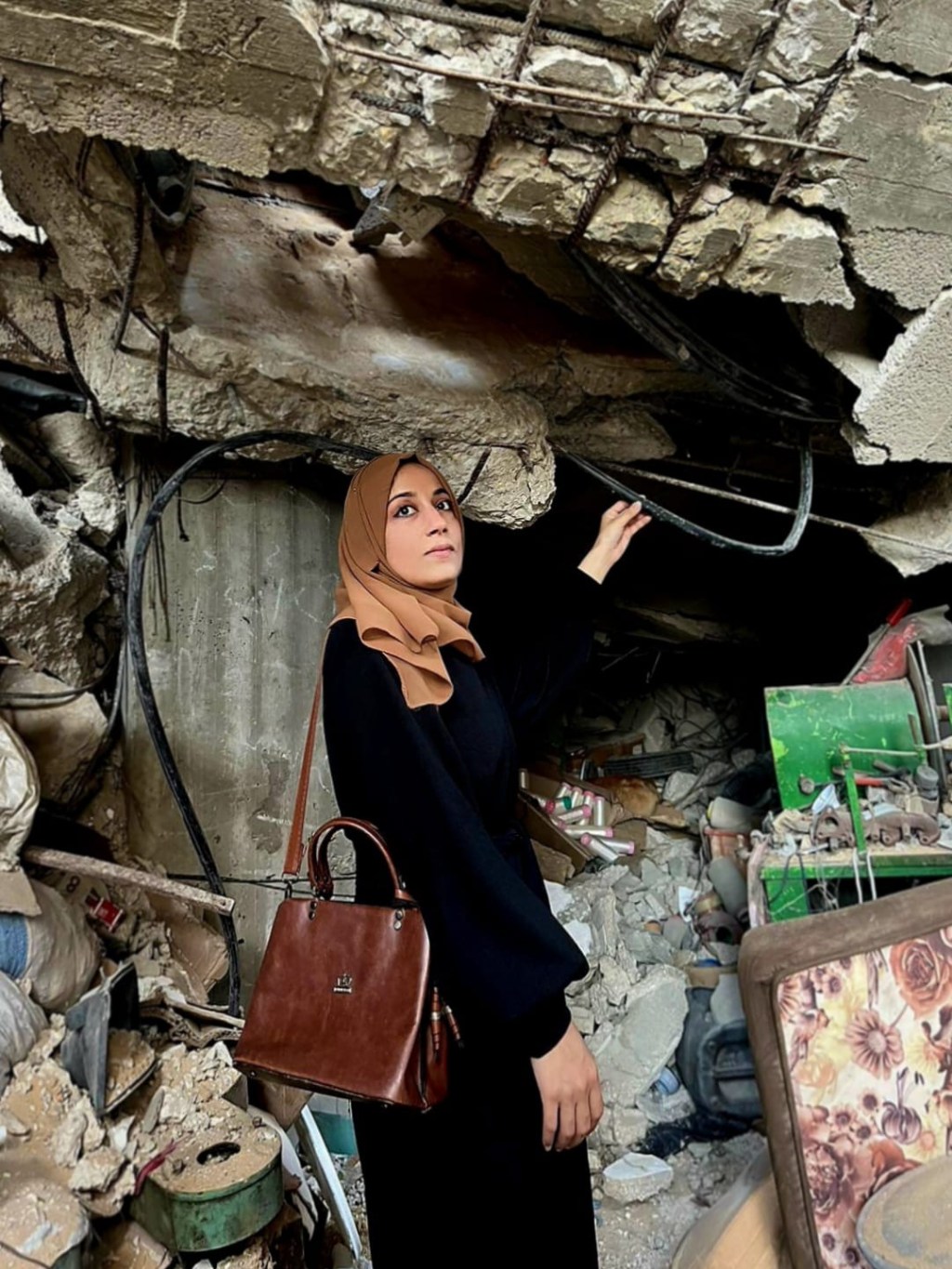
A simple plea from a mother named Heba—one that pierced through the numbness, the scrolling, the distance. Her words were full of fear and exhaustion, but also love—the fierce, primal love of a mother trying to protect her children with the little she had left to give. As I read her messages, saw her photos, heard the echoes of terror and tenderness in her voice…
Gaza stopped being an idea.
It became human.
And once that happens, there is no going back.
My hope is that through these stories—through these voices, these fragments of daily life inside a genocide—you may experience what I did. That Gaza becomes human for you too. That you lift your head and your heart in the direction of humanity.
 Earth Angels Act
Leave a comment