
What is the truth of genocide?
Not the geopolitical debates.
Not the headlines.
Not the sanitized diplomatic language.
The truth lives in the voices of those surviving it.
This piece emerged from conversations, messages, and fragments of testimony from the people I speak to in Gaza every day. Sometimes whispered at 4 a.m., sometimes sent between attacks, sometimes typed slowly during outages and returned to hours later.
Their words paint the landscape:
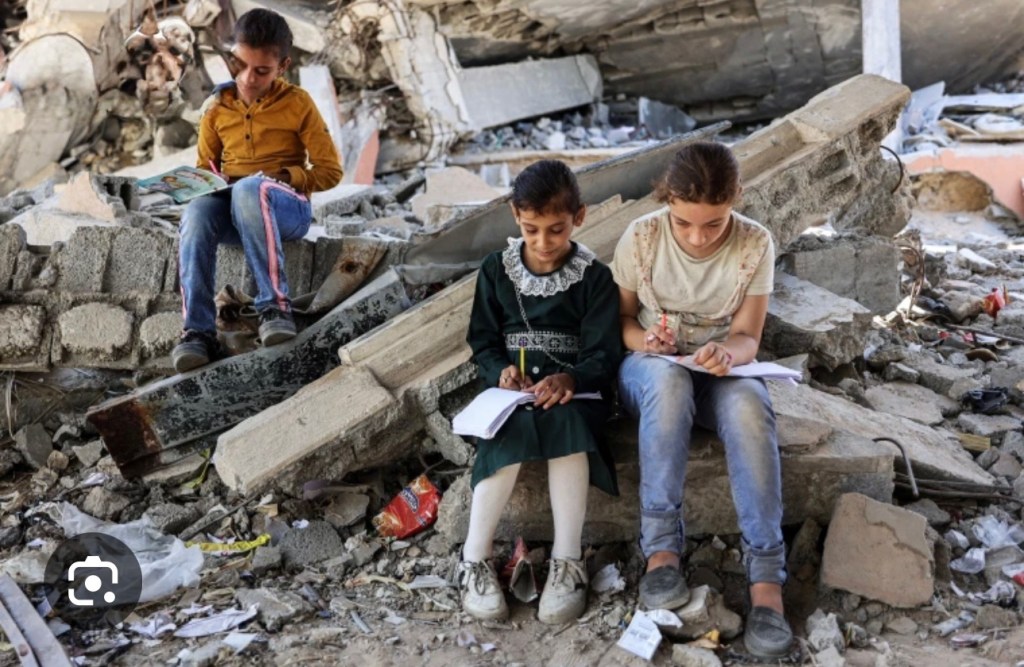
“Homes are rubble.”
“The streets are graves.”
“Electricity, water, internet—they’ve become memories.”
“Hospitals? Paralyzed, if they exist at all.”
They speak of infections untreated because antibiotics cost $200 in a place where no one can work. They speak of gunshot wounds obtained while trying to collect flour. They speak of makeshift schools flooding in the rain. They speak of drinking contaminated water. They speak of mud seeping into the tents. They speak of children making soup from onions and water.
And yet, somehow, they also speak of love.
Of resilience.
Of gathering.
Of remembering the lives they once had—the warmth, the routines, the rituals of normalcy they long for more than anything.
This is not a political essay.
It is a human one.
The truth of genocide is not abstract.
It is lived.
And it is spoken, again and again, by those who have lost everything and still find the strength to say:
“Please help us. Please don’t forget us.”
 Earth Angels Act
Leave a comment